
.svg)
.svg)
.svg)
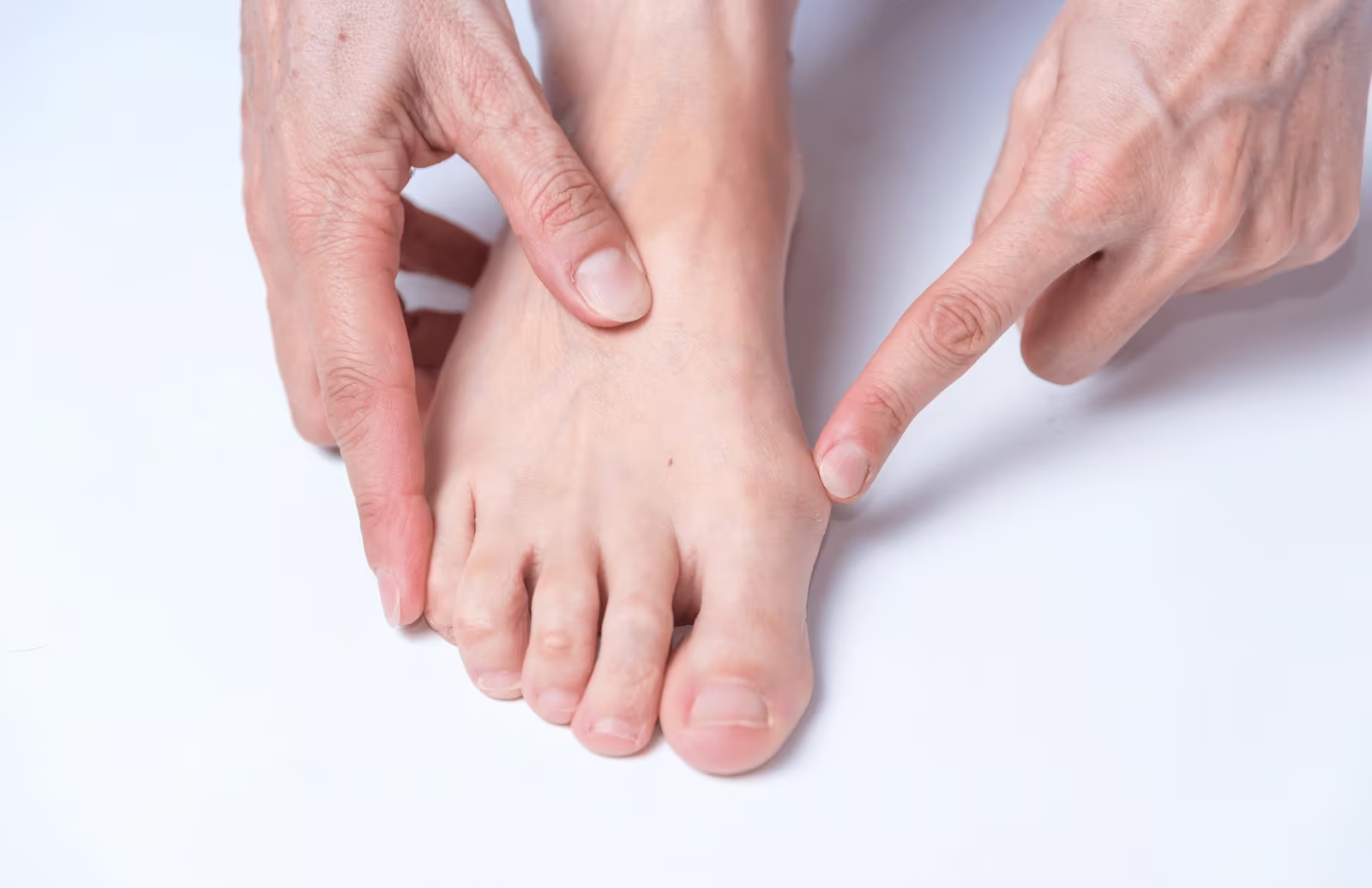
A bunion is not simply an overgrowth of bone that a surgeon shaves away. It is a misalignment of the big toe joint that causes a slow, structural shift where the metatarsal bone drifts out of place and pushes against the skin.
While surgery is a highly effective way to remove a bunion, nearly 25% of patients experienced bunion recurrence after surgery. That number is sobering, but it does not mean surgery failed you or that nothing else can be done. The good news is that bunion recurrence is often preventable, especially when you get the best bunion treatment in Los Angeles.
Read on to learn which factors put you most at risk for bunion recurrence, and what steps you can take right now to ensure it doesn’t happen to you.
Can Bunions Come Back After Surgery?
A bunion is not simply an overgrowth of bone that a surgeon shaves away. It is a misalignment of the big toe joint that causes a slow, structural shift where the metatarsal bone drifts out of place and pushes against the skin. If you had bunion surgery and are now noticing that familiar ache and bulge creeping back, you might be experiencing a bunion recurrence. This is relatively rare and tends to happen months or years after removal. The type of bunion removal surgery you had, the structure of your foot, and your lifestyle habits all play a role in whether your bunion returns or not.
Why Do Bunions Come Back? The Root Causes of Bunion Recurrence
Most people think of it as a bony lump that can simply be cut off. But a bunion actually forms because a bone in your foot called the metatarsal has slowly shifted out of its correct position, pushing the big toe joint out of alignment. Many traditional bunion removal surgeries only shave down the visible bump without correcting the underlying joint shift, which leaves the structural problem unresolved and makes recurrence far more likely. These more conventional bunion procedures address only two dimensions of the deformity, the vertical and horizontal shifting of the metatarsal, while failing to correct the rotational component, which leaves the joint base unstable even after the procedure.
On top of that, inherited foot structures such as pronation or a condition called metatarsus adductus, combined with loose joints and inadequate correction of underlying biomechanical issues, all increase the risk that a bunion will gradually return.
Does the Type of Bunion Surgery Affect Recurrence Risk?
The type of bunion treatment you have matters more than most patients realize:
- Traditional bunionectomies that shift and pin the metatarsal head have a higher failure rate because they reduce the bump but do not stabilize the joint at the source of the problem. More advanced surgical techniques have been developed specifically to fix this weakness.
- Procedures like the Lapiplasty correct the bunion in all three dimensions, vertically, horizontally, and rotationally, offering a more stable and lasting correction than older methods that only addressed two of those dimensions.
- Minimally invasive surgery has also shown strong results. Keyhole bunion surgery locks out the tarsometatarsal joint where the bunion originates.
Who is Most at Risk for Bunion Recurrence?
While anyone who has had bunion surgery can experience recurrence, certain people face a higher risk than others:
- Genetic predisposition can work against surgical results over time, especially if close family members have had bunions.
- Age at the time of surgery also matters because patients who have bunion surgery at a young age face a higher likelihood of recurrence.
- Lifestyle also plays a role, because carrying excess body weight or regularly taking part in activities that put repetitive stress on the feet can accelerate joint misalignment and contribute to bunion recurrence even after a technically successful surgery
Understanding your personal risk factors does not mean your bunion will come back. It means you and your care team can build a smarter plan to prevent it. If you fall into one or more of these categories, the prevention steps are especially worth your attention.
How to Prevent Bunions From Coming Back
Once you know why bunions return, prevention is easier to do. The biggest thing you can do after surgery is pay close attention to your footwear:
- Wearing properly fitting shoes with a wide toe box
- Avoiding prolonged time in high heels
- Investing in custom orthotics
Beyond footwear, support during recovery, adequate rest during healing, and strengthening the foot all matter too. Podiatrists often recommend:
- Wearing a removable bunion splint during sleep or extended periods of rest to reinforce proper toe alignment throughout the healing process
- Physical therapy and targeted foot-strengthening exercises can also improve joint stability and address the biomechanical issues that might otherwise cause the bunion to gradually grow back
What to do if Your Bunion Has Already Returned
Noticing your bunion starting to return can feel discouraging, especially after everything you went through to correct it. But a returning bunion is not a dead end, and acting early gives you the most options. If a bunion resurfaces after surgery, seeing the best foot surgeon in Los Angeles is the most important first step. If the recurrence is significant, a second surgery may be the best path forward. Revision bunion surgery using advanced techniques like Lapiplasty can be performed on previously failed bunionectomies to realign and secure the joint, with recurrence rates dropping to under 4%.
The most important thing is not to wait and hope it resolves on its own. A bunion that is caught early is far easier to manage than one that has had years to progress. If you are seeing changes in your foot, feeling pressure where you once felt relief, or noticing your shoes fitting differently, it’s time to see the top foot surgeon in Los Angeles for evaluation.
Finding the Best Bunion Treatment in Los Angeles
A bunion that returns after surgery is not something you simply have to live with. If you’re noticing the familiar pain of a bunion returning or a new one starting, the first step is finding a foot surgeon who treats the root cause with precision.
Dr. Soomekh specializes in advanced bunion correction techniques that address the full three-dimensional nature of the deformity. The same approach the research consistently shows leads to lower recurrence rates and better long-term outcomes. Whether you’re experiencing a bunion for the first time, have had a failed bunion surgery, or have been told by a podiatrist that there is nothing more that can be done, we can offer effective treatment.
Ready to get lasting relief from bunion pain with the best bunion treatment in Los Angeles?



.svg)



.svg)

.svg)