
.svg)
.svg)
.svg)
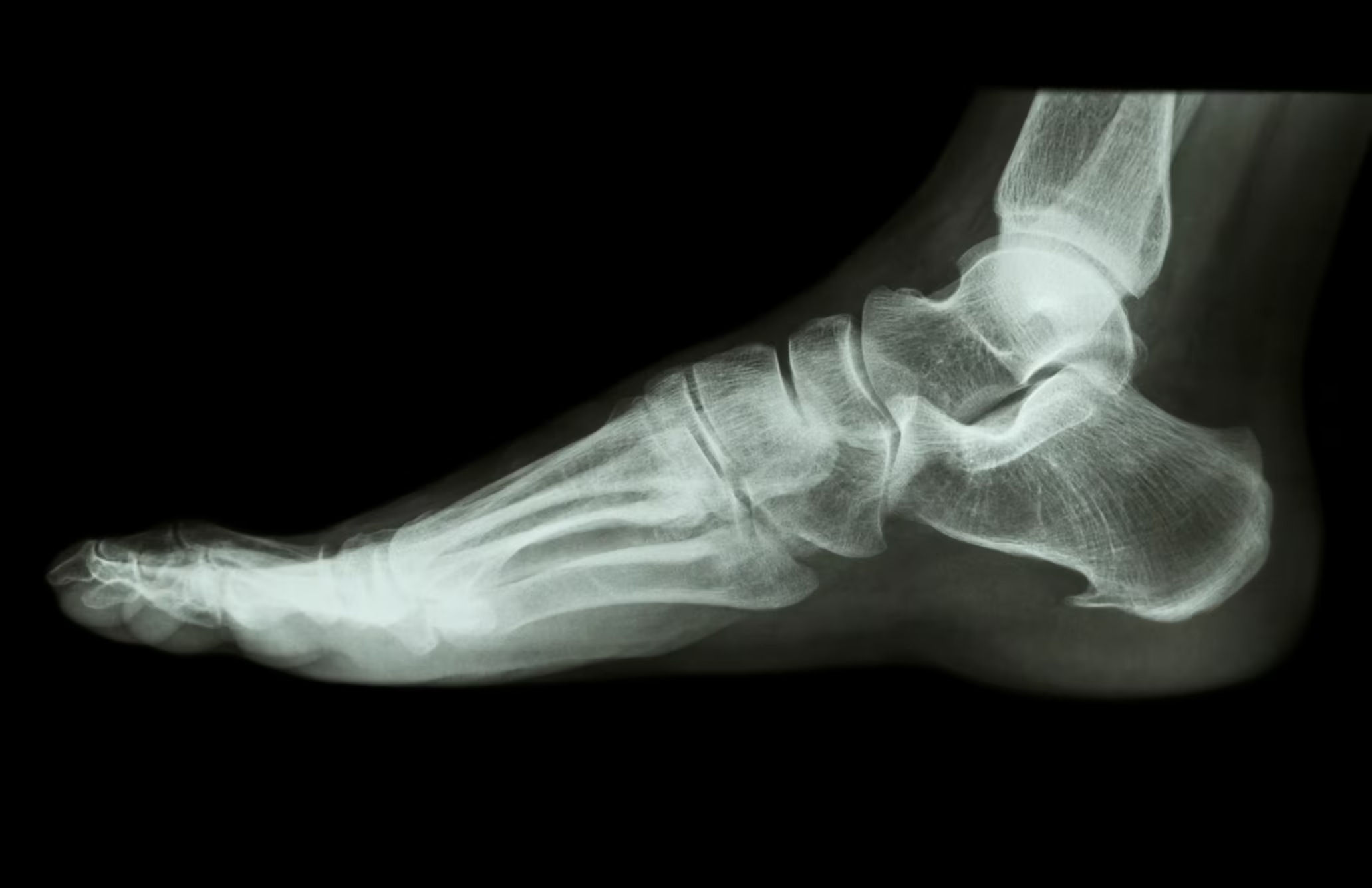
A broken foot sounds really painful, but depending on where the fracture is in your foot, you may not even realize you broke anything. But a lack of symptoms doesn’t always mean you can walk it off and let your foot fracture heal on its own. The foot contains 26 bones, and while some fractures allow limited weight-bearing, walking on an injured foot can worsen a fracture, delay healing, and increase the risk of long-term problems.
Read on to learn when it’s safe to walk on a broken foot and when you need to see the best podiatrist in Los Angeles.
Symptoms of a Broken Foot
Foot fractures can cause a range of symptoms that vary depending on the severity of the injury:
- Pain is usually the first and most common symptom of a broken bone. Depending on the location and severity of the break, a broken foot usually causes sharp, throbbing, or deep pain within the foot. In some cases, pain can be slightly delayed, with the injured area becoming increasingly more painful when pressure is applied.
- Swelling, bruising, tenderness, and difficulty walking are also common with foot fractures. Although, there can be small, mild fractures that cause very mild symptoms that are easy to dismiss.
Some fractures produce an audible crack or popping sound at the moment of injury. Additionally, more serious fractures can lead to visible deformity or an inability to move the foot normally. For small or minor fractures, symptoms do not always appear immediately, which is one reason many people continue walking despite having a fracture.
How to Know if Your Foot Is Broken or Just Sprained
Twisting a foot while playing your favorite sport, missing a step going down the stairs, or landing awkwardly after a jump can strain or fracture a foot. While a fracture involves a break in one of the foot’s many bones, a sprain affects the ligaments that support the ankle joint. While they are two different injuries, a foot sprain and a foot fracture can share similar symptoms, including pain, swelling, bruising, and difficulty putting weight on the foot. Because the symptoms overlap, it can be difficult to tell the difference on your own. The location of the pain, the type of injury, and the severity of symptoms may provide clues, but they can’t provide a reliable diagnosis. X-rays are usually necessary to determine exactly what happened and to guide the next steps in treatment.
Is it Okay to Walk on a Broken Foot?
Whether or not you can walk on a fractured foot depends on the type of fracture you have and the location of the fracture. Some fractures make it impossible to bear weight because of severe pain and instability. Others, including certain stress fractures and small fractures that remain aligned, may still allow a person to walk. It’s important to know that the ability to take a few steps does not mean the injury is minor. Walking on a fractured foot can place additional stress on the broken bone, increase swelling, and interfere with the healing process. In some cases, continued weight-bearing can cause the fracture to shift out of place, creating a more complicated injury that may require more extensive treatment.
What to Do Immediately After a Suspected Foot Fracture
The only way to know for sure whether you have a foot fracture is to undergo a thorough physical examination that includes imaging. X-rays are commonly used to identify fractures, while 3D CT scans or MRI studies may provide additional detail for fractures that are very small or hidden by other structures of the foot. Treatment depends on the location and severity of the fracture.
While many foot fractures heal well with a walking boot, more complex fractures may require surgical treatment to restore proper alignment and stability. Getting an accurate diagnosis early is the best way to ensure you heal properly and reduce the risk of chronic pain, arthritis, or long-term mobility issues as much as possible.
When to See a Foot Surgeon for a Broken Foot
Delaying treatment can allow a fracture to worsen or heal improperly, leading to ongoing pain and difficulty with daily activities. For broken bones in the foot, minimally invasive techniques that limit tissue damage and shorten the road back to walking. This can include regenerative therapies such as platelet-rich plasma and bone marrow aspirate to accelerate healing and build stronger, lasting results.
Finding the Best Foot Surgeon in Los Angeles for a Broken Foot
A foot fracture can throw a wrench in how well you move, work, and live. Getting the right care is the best way to recover quickly and avoid long-term problems with pain and mobility. At Foot and Ankle Specialty Group, our team treats fractures of every type with precision and a clear focus on getting you back on your feet. Dr. David J. Soomekh is a board-certified foot and ankle surgeon, a Diplomate of the American Board of Foot and Ankle Surgery, a Fellow of the American College of Foot and Ankle Surgeons, and the foot and ankle specialist for Los Angeles Ballet.
At our Beverly Hills office, we serve patients across Los Angeles and beyond with a gentle, patient-centered approach that only a surgeon with two decades of surgical experience can bring.
Ready to get minimally invasive care for foot fractures, ankle sprains, and other foot conditions from the best podiatrist in Los Angeles?



.svg)




.svg)

.svg)