
.svg)
.svg)
.svg)
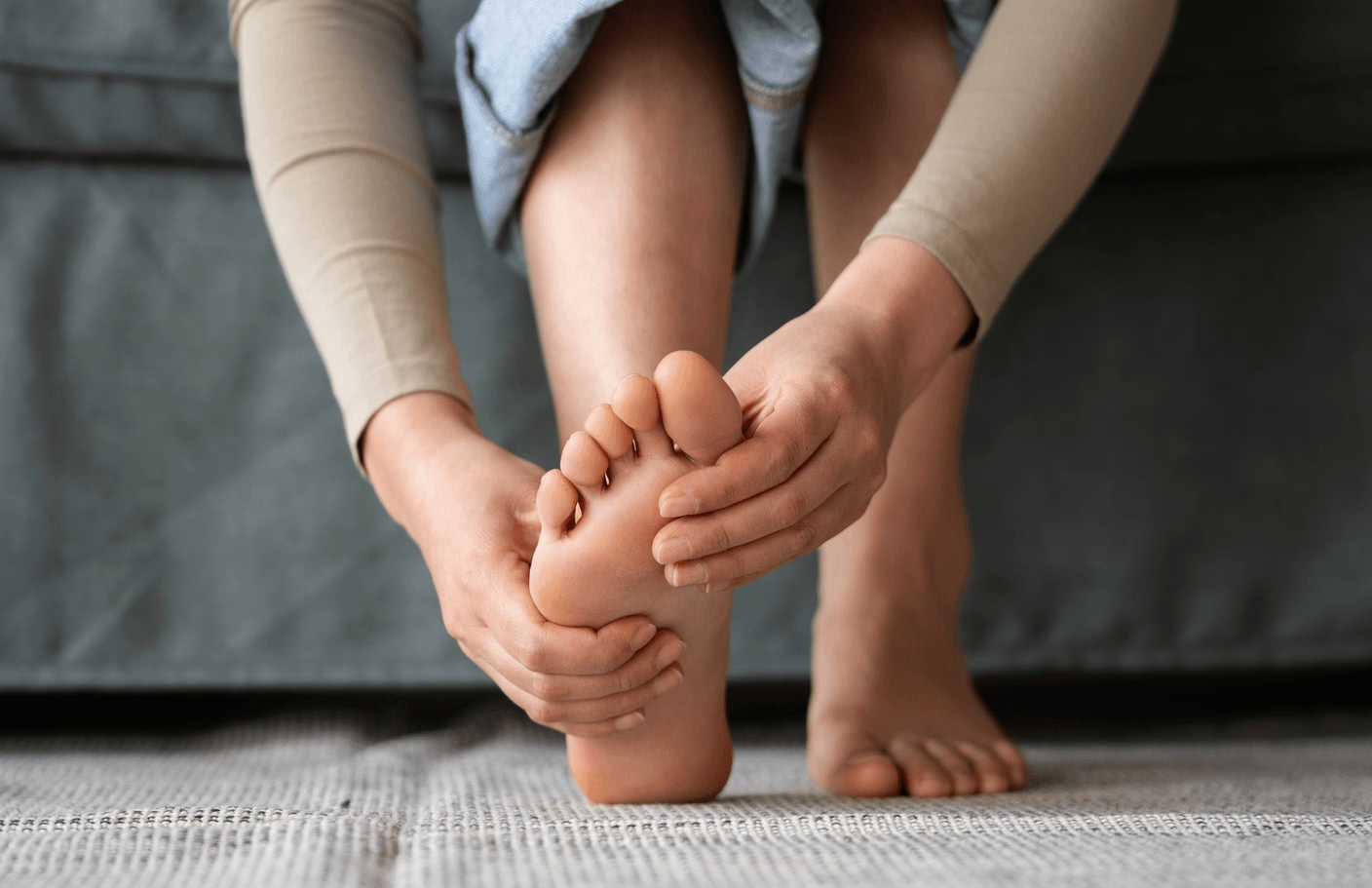
A bunion is not just the knob you can see at the base of your big toe. It's a slow structural shift in the metatarsophalangeal (MTP) joint, where the bone drifts out of alignment and pulls the toe sideways toward its neighbors. Medically known as hallux valgus, bunions are far more common than most people realize. In fact, around 23% of adults between 18 and 65 have a bunion, and that number climbs to nearly 36% in people over 65. Many of those people need bunion surgery to find lasting relief.
The real problem is that many wait to see a specialist until short walks feel punishing and even soft sneakers rub the joint raw, leaving them with fewer treatment options than they could have had.
Continue reading to get evidence-based information on when and how to treat a bunion at home vs. seeing the best foot surgeon in Los Angeles for bunion surgery.
Bunion Stages: How to Tell if Your Bunion is Mild, Moderate, or Severe
Bunions can vary in severity, and understanding where your bunion falls on the spectrum can help you find the best bunion treatment in Los Angeles.
- A mild bunion is often just a small bump at the base of the big toe with little or no pain. The toe still points mostly straight ahead, and ordinary shoe changes are usually enough to keep it quiet.
- A moderate bunion is harder to ignore. The big toe starts to lean toward the second toe, the bump becomes more visible, and pain shows up regularly during walks or longer days on your feet. Shoe shopping can start to feel like a hunt.
- A severe bunion is a much bigger problem. The big toe may visibly cross over or under the second toe, the joint can become stiff and arthritic, and walking, standing, or exercising may become painful or even debilitating. At this stage, conservative care can still take the edge off, but most patients eventually need surgery to walk without pain.
At-Home Treatments for Bunions
For most people with mild to moderate bunions, the right tools at home can do a lot to ease the pain without ever stepping into an operating room. Some of the most effective at-home bunion treatments include:
- Wider shoes with a deeper toe box stop the bunion from rubbing against stiff leather and give the rest of the toes room to spread out
- Custom orthotics support the arch and correct the way your foot strikes the ground, which takes pressure off the misaligned joint.
- Toe spacers can also help, but wearing them consistently is important for easing day-to-day discomfort.
While these tools can help ease pain, they are not cures. If you have been faithful to a wider shoe, a quality orthotic, and a toe spacer routine for three to six months, and the pain is still affecting your day, it is time to see the best podiatrist in Los Angeles for bunion treatment.
What Happens if You Leave a Bunion Untreated?
A bunion is a progressive condition, which means it tends to get worse over time rather than better. As the big toe drifts further out of place, the small ligaments that once held the joint in line stretch and weaken, and the bone keeps moving. Over months and years, that slow drift sets the stage for other foot problems.
Severe bunions can cause inflammation and swelling and may limit your mobility, and the pressure can push neighboring toes into hammertoes, build painful calluses where the bump rubs your shoes, and grind down the cartilage in the big toe joint until arthritis settles in. The damage does not always stop at your foot. When walking hurts, your body finds new ways to move, often by shifting weight onto the outside of the foot or changing how your hips carry you forward. That shift can show up as knee pain, hip pain, or a sore lower back, and it can quietly chip away at your willingness to stay active and eventually your mobility and independence.
How Do You Know When a Bunion Needs Surgery?
The clearest sign that surgery is worth considering has nothing to do with how the bump looks. It comes down to whether the pain is starting to shape your day. The people who benefit most from surgery are those whose foot pain limits their activities and who find it hard to walk more than a few blocks, even in the right shoes, without significant pain.
The second sign that you need bunion surgery is when relief stops working. If you have already swapped tight dress shoes for soft, roomy sneakers and the pain still flares up at the joint, the issue is no longer about pressure from the outside. It points to the joint itself.
The third warning sign is chronic inflammation. Mild bunions often calm down with a day of rest, ice, and an over-the-counter anti-inflammatory. When the swelling, warmth, and tenderness keep coming back no matter what you do, that suggests the deformity is progressing, and you need the best foot surgeon in Los Angeles to take a look.
What to Expect During and After Bunion Surgery
Bunion surgery is almost always an outpatient procedure, which means you go home the same day. Most patients have to keep weight off the affected foot for two to six weeks and wear a postsurgical boot for another month or two, followed by physical therapy and a gradual return to athletic shoes.
Light walking can often begin within a few days, but a full return to running or higher-impact activity can take six months to a year. Like any operation, bunion surgery carries some risk. Possible complications include infection, nerve irritation, stiffness, and a small chance that the bunion can come back, especially if you go back to wearing narrow or pointed shoes.
Finding the Best Foot Surgeon in Los Angeles for Bunion Treatment
Knowing when to see a podiatrist about a bunion can be confusing, especially when the pain comes and goes. Reading about the warning signs is a good first step, but the best way to know what treatment is best for you is to see a bunion expert.
Dr. Soomkeh offers effective treatment for bunions of any stage, from early bumps that respond well to wider shoes, custom orthotics, and toe spacers, to advanced deformities that call for careful surgical correction. We build your plan around where your foot actually is today and what you want it to do tomorrow, whether that means a conservative routine you can follow at home or minimally invasive bunion surgery that gets you back on your feet faster and with less downtime than traditional procedures.
Ready to get lasting relief with the best bunion treatment in Los Angeles?


.svg)



.svg)

.svg)