It usually happens in a split second. You push off to sprint for a ball or step off a curb too fast, and you feel a sharp pop at the back of your ankle. Many people say it felt like someone kicked them in the heel, even though no one was behind them.
Achilles ruptures are on the rise, and treatment has changed. A study of more than 33,000 patients found that Achilles ruptures increased over 20 years, while surgical repair rates dropped by more than half. That shift followed research showing many ruptures can heal well without an operation when treatment starts early.
Read on to learn when Achilles tendon rupture surgery makes sense, when nonsurgical care may work, and what to look for if you are searching for the best ankle surgeon in Los Angeles.
What Happens When Your Achilles Tendon Ruptures?
The Achilles tendon connects your calf muscles to your heel bone. A rupture happens when the tendon fibers tear apart, usually a few inches above the heel, where blood flow is lowest. Common signs of an Achilles tendon rupture include:
- A popping or snapping feeling at the back of the ankle
- Sudden pain behind the heel or lower calf
- Swelling and bruising near the heel
- Trouble standing on your toes or pushing off when you walk
- A gap you can feel just above the heel bone
How to Know if Your Achilles Tendon Tear Is Complete or Partial
A complete rupture of the Achilles tendon means the tendon has torn all the way through, leaving two separate ends. A partial tear means some fibers are still connected, so the tendon keeps some strength.
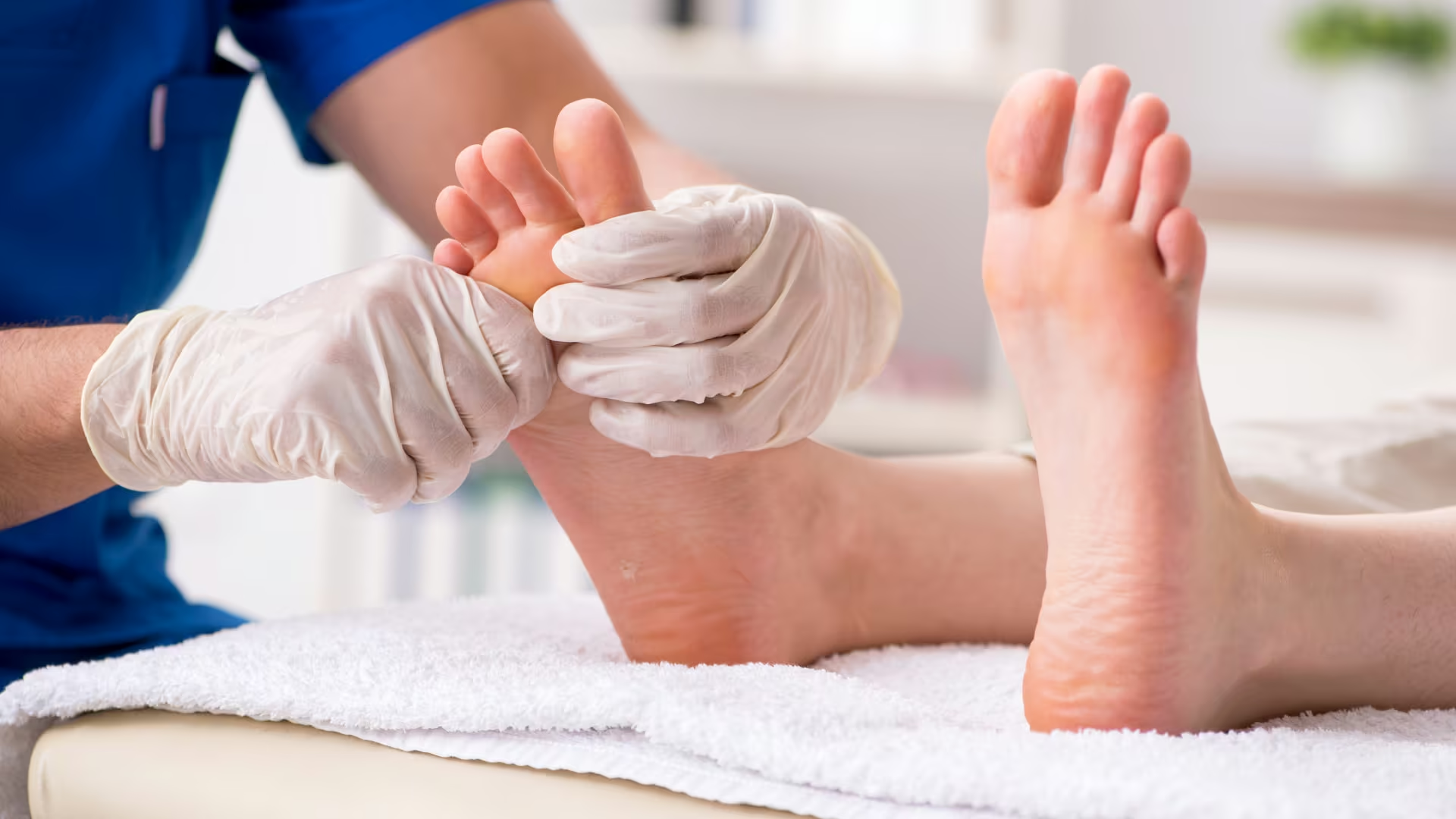
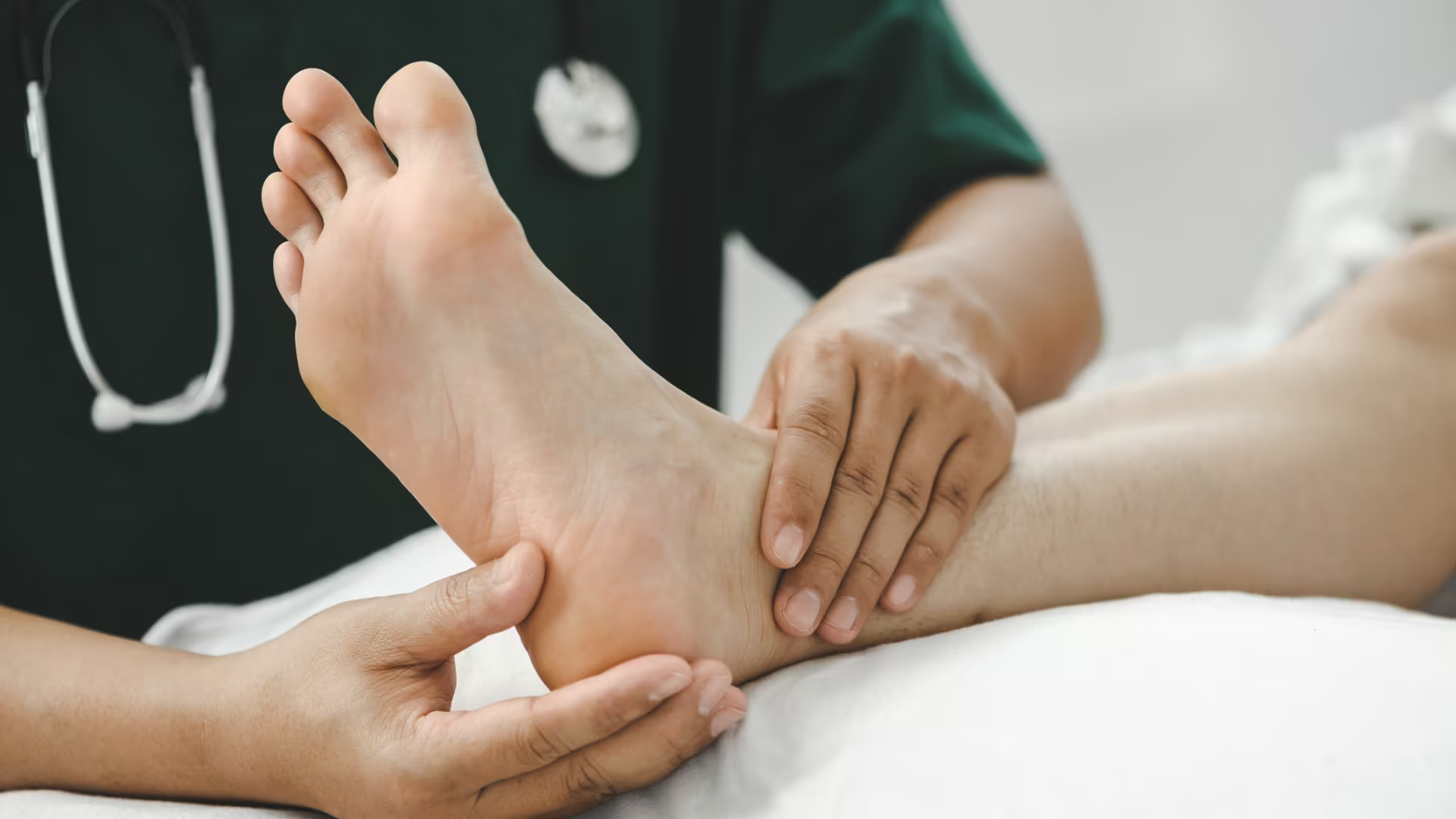
During your exam, a foot and ankle surgeon will feel for a gap and squeeze your calf. If your foot does not move during the squeeze, the tendon has most likely torn completely. Diagnostic ultrasound shows the size of the tear and how far apart the ends sit, and an MRI may help in less clear cases.
Partial tears usually respond well to nonsurgical care. Since a partial tear can feel a lot like severe tendinitis, it may help to learn the difference between Achilles tendinitis and an Achilles tear before your visit.
What Does Nonsurgical Achilles Rupture Treatment Look Like?
A question we regularly hear is, “Can a ruptured Achilles really heal without surgery?” For many people, the answer is yes. Nonsurgical treatment holds your foot with the toes pointed down so the torn ends rest close together and heal. This plan usually includes:
- A cast or walking boot with heel wedges
- A period of limited or no weight on the injured leg
- Gradual changes to the boot angle over several weeks
- A structured physical therapy program
The risk of a re-rupture runs slightly higher than after surgery. Still, nonsurgical care may be the safer choice if you have diabetes, poor circulation, or other health concerns that raise surgical risks.
How Does Your Activity Level Affect the Decision?
Your daily life and goals also shape the decision. Surgery tends to be the better choice for:
- Athletes who run, jump, or play sports with quick cuts
- Dancers and performers who need full push-off power
- Younger, active adults who want the lowest chance of a re-rupture
- People with physically demanding jobs
Less active people may get a good result from a nonsurgical plan with fewer risks.
When Is Achilles Tendon Rupture Surgery the Right Choice?
Certain injury patterns point more clearly toward surgery. You may need surgical repair when:
- The tendon has torn completely, and the ends sit far apart
- The tear happened where the tendon attaches to the heel bone
- The tendon has torn again after earlier treatment
- Several weeks have passed since the injury
- Nonsurgical care has not restored strength
Surgery reconnects the torn ends so the tendon heals at the right length and regains its push-off strength.
What Are The Surgical Options for Achilles Repair?
The two main approaches to Achilles tendon rupture surgery are:
- Percutaneous repair: This uses a few small incisions and specialized instruments to stitch the tendon ends together, with less scarring and fewer wound problems.
- Open repair: This uses one longer incision so the surgeon can see the tendon, clean up damaged tissue, and sew the ends together. This approach works well for complex or older tears.
Your surgeon may also support the repair with platelet-rich plasma (PRP), bone marrow stem cells, or Amniox regenerative tissue. After surgery, you will wear a protective boot and use crutches before moving into physical therapy. Returning to sports can take six months to a year.
Why Does Seeing a Foot and Ankle Surgeon Right Away Make Such a Difference?
Some people mistake an Achilles rupture for a bad sprain and try to walk it off. As the weeks pass, the calf muscle pulls the upper end of the tendon higher, and scar tissue fills the gap. A delayed repair may then require a tendon graft or transfer and a longer recovery. For anyone hoping to see the best podiatrist in Los Angeles after a sudden heel injury, an evaluation within the first few days keeps every treatment option open.
Finding a Foot Surgeon Who Offers the Best Achilles Tendon Rupture Surgery in Los Angeles
Choosing between surgery and nonsurgical care deserves thoughtful consideration. Our team takes the time to explain your imaging, walk you through each option, and answer every question so you understand why we recommend one path.
For those searching for the best ankle surgeon in Los Angeles, Dr. David J. Soomekh brings more than two decades of experience treating complex foot and ankle injuries. He is a board-certified foot and ankle surgeon, a Diplomate of the American Board of Foot and Ankle Surgery, and a Fellow of the American College of Foot and Ankle Surgeons. Dr. Soomekh performs both percutaneous and open Achilles repairs, evaluates tears with diagnostic ultrasound in our office, and closes incisions with plastic surgery techniques to help minimize scarring.
Our office sits on North Roxbury Drive in the Beverly Hills Golden Triangle, a few blocks from Rodeo Drive, near where Wilshire Boulevard meets Santa Monica Boulevard and within easy reach of Interstate 405.
Ready to see whether the Achilles tendon rupture surgery Los Angeles athletes and active adults rely on fits your recovery?